
Mobil, einfach, sicher
Intelligente Content Services für Ihren digitalen Erfolg
Unsere Referenzen















































































Der Digital Workplace der dataglobal CS
Hier ist die smarte Plattform für Ihren digitalen Arbeitsplatz. dataglobal CS ist die führende intelligente Software für Ihre digitale Transformation – mobil, einfach, sicher!
Mit den von unserer Software bereit gestellten Content Services realisieren Sie ganzheitliche Digitalisierungsstrategien, unternehmensweite revisionssichere Archivierung, modernes Arbeiten und letztlich den Weg zum digitalen Unternehmen.
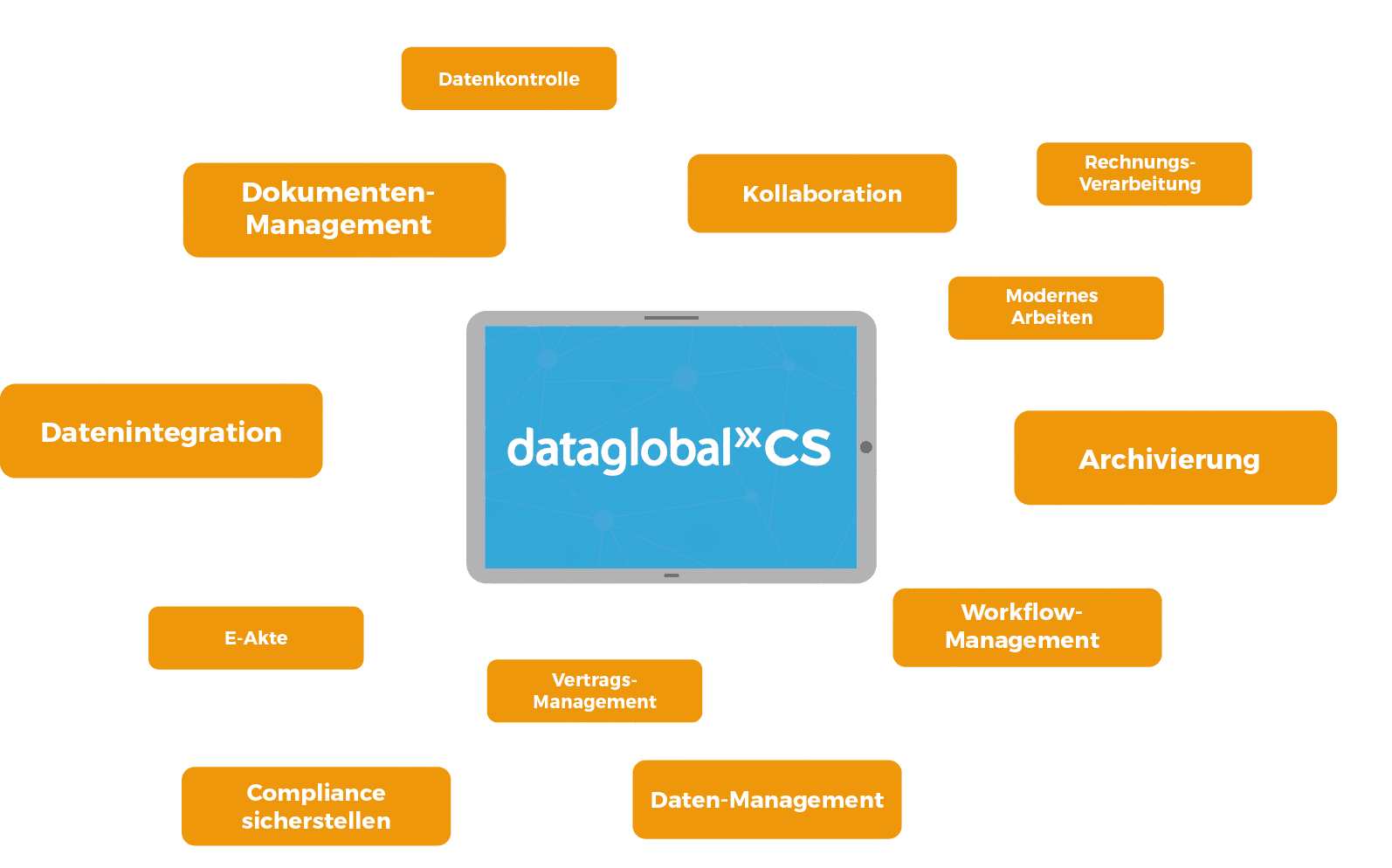
Der Digital Workplace der dataglobal CS
Hier ist die smarte Plattform für Ihren digitalen Arbeitsplatz. dataglobal CS ist die führende intelligente Software für Ihre digitale Transformation – mobil, einfach, sicher!
Mit den von unserer Software bereit gestellten Content Services realisieren Sie ganzheitliche Digitalisierungsstrategien, unternehmensweite revisionssichere Archivierung, modernes Arbeiten und letztlich den Weg zum digitalen Unternehmen.
Eine Plattform für alle Ihre relevanten Daten
dataglobal stellt Ihnen mit dataglobal CS eine smarte Content Service-Plattform zur Verfügung. Wertvolle Unternehmensdaten werden integriert, verknüpft und für Workflows und digitale Prozesse aufbereitet sowie bereitgestellt – zur Steigerung Ihrer Effizienz und Wettbewerbsfähigkeit.
Maximale Flexibilität mit dem dataglobal CS Digital Workplace – webbasiert, mobil sowie am Desktop. Beliebige Formate überall erfassen, anzeigen und im Team bearbeiten. Mobil, einfach und sicher!
Datenintegration: Wir integrieren nahtlos Ihre Daten aus unterschiedlichsten Quellen.
Daten verstehen: Wir analysieren und veredeln Ihre Daten, um sie nutzbar zu machen.
Digitale Prozesse: Wir entwickeln mit Ihnen maßgeschneiderte digitale Prozesse und Workflows.
Digitales Unternehmen: Wir gestalten mit Ihnen zusammen die Transformation hin zum zukunftssicheren digitalen Unternehmen.
Bernhard profitiert vom digitalen Arbeitsplatz – lernen Sie ihn und unsere Lösungen kennen!
Bernhard ist der Stellvertreter für eine ganze Reihe unserer typischen Kunden. Anhand der Praxisanwendungen bei dem von Bernhard geleiteten Wohnmobilhersteller zeigen wir verschiedene Funktionen und Nutzen unserer Software dataglobal CS auf.

Eine Plattform für alle ihre relevanten Daten
dataglobal stellt Ihnen mit dataglobal CS eine smarte Content Service-Plattform zur Verfügung. Wertvolle Unternehmensdaten werden integriert, verknüpft und für Workflows und digitale Prozesse aufbereitet sowie bereitgestellt – zur Steigerung Ihrer Effizienz und Wettbewerbsfähigkeit.
Maximale Flexibilität mit dem dataglobal CS Digital Workplace – webbasiert, mobil sowie am Desktop. Beliebige Formate überall erfassen, anzeigen und im Team bearbeiten. Mobil, einfach und sicher!
Datenintegration: Wir integrieren nahtlos Ihre Daten aus unterschiedlichsten Quellen.
Daten verstehen: Wir analysieren und veredeln Ihre Daten, um sie nutzbar zu machen.
Digitale Prozesse: Wir entwickeln mit Ihnen maßgeschneiderte digitale Prozesse und Workflows.
Digitales Unternehmen: Wir gestalten mit Ihnen zusammen die Transformation hin zum zukunftssicheren digitalen Unternehmen.
Bernhard profitiert vom digitalen Arbeitsplatz – lernen Sie ihn und unsere Lösungen kennen!
Bernhard ist der Stellvertreter für eine ganze Reihe unserer typischen Kunden. Anhand der Praxisanwendungen bei dem von Bernhard geleiteten Wohnmobilhersteller zeigen wir verschiedene Funktionen und Nutzen unserer Software dataglobal CS auf.
Produkt-Highlights
|
|
Die digitale Rechnungsverarbeitung für Ihr UnternehmenGerät Ihre Buchhaltung öfter mal ins Stocken? Sind Sie zeit- und kostenintensive Prozesse, verpasste Fristen und Skontoverlust in der Rechnungsverarbeitung leid? Mit dem dataglobal Rechnungseingangsworkflow bieten wir die Lösung.
|

|
|
Höchste Flexibilität mit dem dataglobal WebClientdataglobals WebClient ist ein zentraler, plattformunabhängiger und webbasierter Zugang zu all Ihren archivierten Daten. Seine offene Schnittstellenarchitektur (WebStexx) ermöglicht eine nahezu beliebige Erweiterung seiner Funktionalität. Das spart Zeit wie Geld und vereinfacht viele Prozesse im täglichen Arbeiten. Unsere Erfahrung zeigt, dass Unternehmensprozesse jeweils ganz individuellen Anforderungen unterliegen und diese auch durch ständige Veränderungen angepasst, bzw. optimiert werden. So muss z. B. das schnelle Reagieren auf sich verändernde Rahmenbedingungen im Unternehmen selbst oder durch rechtliche Vorgaben von der Software unterstützt werden …
|

|
|
Revolution des mobilen E-Mail-Managements mit dg mail anywheredg mail anywhere ist das neue und intelligente Zusatzmodul von dataglobal, dem führenden Anbieter von Softwarelösungen für Content Services, Digital Workplace und Archivierung. Alles aus einer Hand: Anwender erhalten mobil und systemunabhängig jederzeit kompletten Zugriff auf alle archivierten E-Mails und Anhänge, unabhängig davon, ob diese im Postfach oder im Archiv liegen. Auf der Basis schlanker Referenzdateien können jetzt jederzeit und überall sämtliche Original-E-Mails mit sämtlichen Anhängen genutzt werden. Die lokale Speicherung der E-Mails, inklusive der Anhänge, auf dem jeweiligen Gerät ist nicht mehr notwendig …
|

|
|
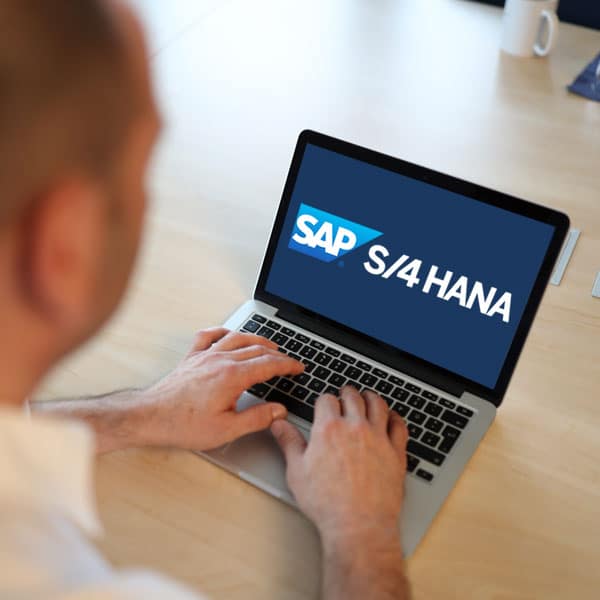
SAP-Archivierung und Information Lifecycle Management mit dataglobal CSDer Wechsel zu S/4 HANA steht aktuell im Fokus vieler Unternehmen. Weiterhin werden ILM-Strategien, die das Löschen von Daten regeln, notwendig. Das ist die Gelegenheit und der richtige Zeitpunkt, über die Ablösung der teuren und in die Jahre gekommenen Legacy-Archiv-Systeme nachzudenken. Neben der Zukunftssicherheit, über 2025 hinaus (Stichwort EOL), gibt es eine ganze Reihe von weiteren wichtigen Gründen für diese Entscheidung und somit auch für eine für eine Datenarchivierung …
|
dataglobal Blog